
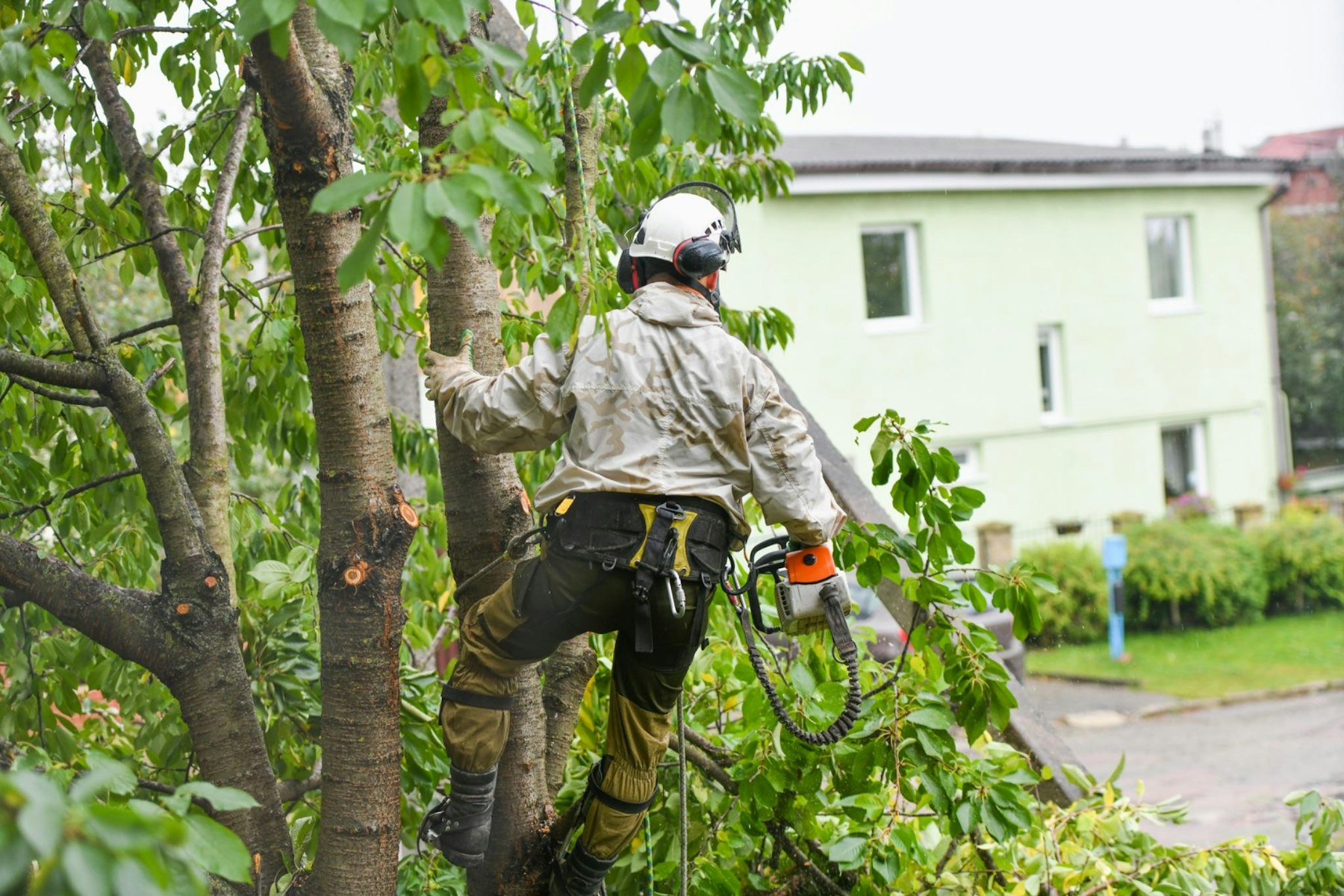
Winter Home Maintenance Tips to Help Prevent Damage
Quick Summary: A little winter home maintenance can go a long way toward reducing the risk of costly cold-weather damage. Before freezing temperatures, snow, and ice arrive, focus on your heating...
Read more

Holiday Travel Tips to Keep Your Home Safe
Quick Summary: Before leaving for a holiday trip, take a few simple steps to protect your home from common risks such as break-ins, water leaks, and electrical hazards. Securing entry points,...
Read more

Deer Collision Safety Tips for Longmont Drivers
Quick Summary: Deer are especially active during fall mornings and evenings, making those hours a higher-risk time for drivers in Longmont and across Boulder County. Staying focused, reducing speed...
Read more

Cybersecurity Awareness Month for Longmont Businesses
Quick Summary: Cybersecurity Awareness Month is a valuable reminder that every business—regardless of size or industry—needs practical safeguards for its data, systems, and daily operations. At...
Read more

100 Days Left in the Year: Is Your Insurance Ready?
With about 100 days remaining in the year, it is natural to reflect on what has changed since January. Maybe you have reached a meaningful goal, welcomed a new responsibility, made a major purchase...
Read more

Fall Home Maintenance Tips for Longmont Property Owners
Quick Summary: Fall is an ideal time for Longmont homeowners to prepare their properties for colder weather. A few preventative maintenance tasks can help reduce the risk of water damage, energy...
Read more
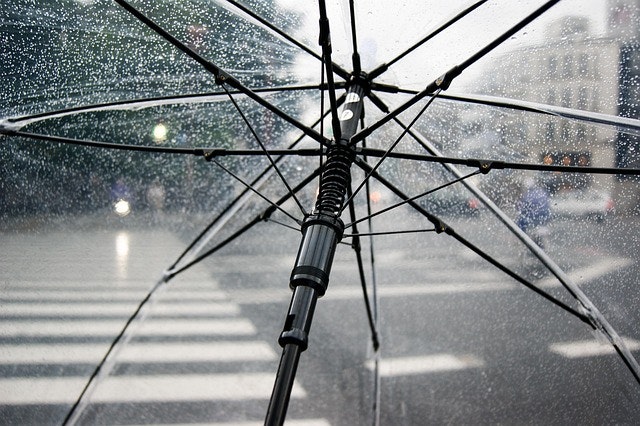
Commercial Umbrella Insurance for Stronger Business Protection
Commercial umbrella insurance gives businesses an added layer of financial protection when large claims exceed the limits of standard liability policies. For many business owners in Longmont and...
Read more

When To Reevaluate Life Insurance As Your Income Grows
Life insurance plays a crucial role in protecting your household, but as your income changes, the financial protection you once put in place may no longer be enough. Many families across Longmont...
Read more

Does Auto Insurance Follow the Car or the Driver?
When you lend your vehicle to someone or borrow a car from a friend, it’s natural to wonder which insurance policy applies if something goes wrong. In most situations, auto insurance follows the...
Read more

Why a Raise or Promotion Is the Right Time to Review Life Insurance
Receiving a raise or stepping into a new role is exciting, but it also brings important changes to your financial picture. When income increases, responsibilities often grow with it, making it a...
Read more

Backyard Safety and Liability: What Homeowners Should Know This Summer
Summer invites long afternoons outdoors, backyard get‑togethers, and plenty of opportunities to enjoy your outdoor space. For many homeowners in Longmont and across Boulder County, this also means...
Read more

Common Homeowners Insurance Mistakes to Avoid This June
June marks National Homeownership Month, making it an ideal moment to take a fresh look at whether your current home insurance truly reflects the home you live in today. Many homeowners set up...
Read more

Understanding Return of Premium Riders for Term Life Insurance
Read more
A Smart Insurance Check for Your Summer Adventure Gear
Summer fun arrives quickly in Colorado, and with it comes the excitement of getting boats, RVs, motorcycles, and ATVs ready for the season. Before the adventures begin, it’s important to make sure...
Read more

Spring Safety Tips for Outdoor Teams: What Business Owners Should Know
As winter fades and spring rolls in, many business owners jump at the chance to refresh their outdoor spaces and restart seasonal tasks. While the improved weather is a welcome change, it often...
Read more

Staying Safe Behind the Wheel: A Fresh Look at Distracted Driving Awareness Month
Read more
8 Common Insurance Myths That Could Leave You Exposed
With Debunking Day coming up on March 11th, there’s no better moment to clear up some of the biggest misunderstandings about home and auto insurance. Many people make decisions based on half-truths...
Read more

Why Personal Umbrella Insurance Matters More Than Ever
March isn’t just about swapping winter coats for lighter layers—it’s also National Umbrella Month, which makes it the perfect time to highlight a type of coverage many people overlook: personal...
Read more

Why Commercial Umbrella Insurance Matters More Than Ever (Rewritten)
Why Commercial Umbrella Insurance Matters More Than EverMarch marks National Umbrella Month, making it an ideal moment to highlight a type of protection many business owners tend to overlook:...
Read more

Understanding Small Business Insurance: Answers to the Questions Owners Ask Most
Running a small business means juggling countless responsibilities, and figuring out insurance is often one of the trickiest parts. Whether you’re opening your doors for the first time or have...
Read more

Essential Home Insurance Riders You Might Be Overlooking
Many homeowners believe their insurance policy shields them from every possible disaster. Unfortunately, that assumption often proves wrong. Some of the costliest risks require additional...
Read more

A Fresh Look at Why Life Insurance Supports Your Financial Well‑Being
January marks Financial Wellness Month, making it an ideal moment to revisit the pieces that make up your overall financial picture. One area people tend to overlook—often until much later in life...
Read more

Insuring Your Holiday Treasures
Embrace the Joy of Protected Holiday Gift-GivingThe holidays are a time of joy, filled with laughter, twinkling lights, and the excitement of gift-giving. As family and friends gather around a warm...
Read more

Winter Prep Tips for a Safe and Cozy Home
As the leaves fall and temperatures drop, it's time to prepare our homes for winter. Like you, we know keeping your home safe and warm is a top priority as winter looms. By taking a few proactive...
Read more

Deer Collision Safety Tips: Stay Safe This Fall Season
As fall paints the landscape with its vibrant palette, it's easy to get caught up in the season's beauty. However, this time of year also brings hidden dangers, particularly the increase in deer...
Read more

The Psychology Behind Why We Delay Life Insurance
Why Do We Keep Pushing Off Life Insurance?We’ve all been there: you know you should get life insurance, it’s on your to-do list, yet somehow it just doesn’t happen. If this sounds familiar, you’re...
Read more

National Traffic Awareness Month: Enhance Trucking Safety
The Importance of National Traffic Awareness MonthAugust marks National Traffic Awareness Month, a crucial time to reflect on safety in the trucking industry. Truck drivers face a myriad of risks...
Read more

The Hidden Financial Power of Life Insurance
Read more
Certificate of Insurance vs. Endorsements: Employer Insights
Understanding COIs and Endorsements for Your BusinessEmployers often engage contractors, vendors, or third-party service providers, encountering terms like Certificate of Insurance (COI) and...
Read more

Three Essential Insurance Tips for New Homeowners
June is celebrated as National Homeownership Month, a time when many individuals embark on the exciting journey of owning a home. It's a major milestone filled with dreams and possibilities, but it...
Read more

April: Boost Your Personal Finance with Life Insurance
Embrace Financial Literacy MonthApril marks Financial Literacy Month—a crucial time for individuals to enhance their understanding of personal finance tools that ensure stability and growth. While...
Read more

Essential Practices for Hiring Qualified Commercial Drivers
The Importance of Hiring the Right DriversRecruiting the right commercial drivers is fundamental to an organization’s operational success. Poor hiring choices can lead to accidents, damage to...
Read more

Understanding the Benefits of Umbrella Insurance
In today’s unpredictable world, protecting your financial assets from unexpected liabilities is crucial. While coverage like auto and home insurance offers basic protection, what happens when a...
Read more

Safeguard Your Business with EPLI Coverage
In today's fast-paced business environment, navigating employee-related claims can be a daunting and costly experience for any business, regardless of its size or industry. This is where Employment...
Read more

Commercial Insurance Trends: What to Watch in 2025
As 2025 is well underway, staying informed about commercial insurance trends is vital for business owners aiming to protect their assets and plan effectively. While the market shows signs of...
Read more
Winter Home Maintenance Tips to Help Prevent Damage
Quick Summary: A little winter home maintenance can go a long way toward reducing the risk of costly cold-weather damage. Before freezing temperatures, snow, and ice arrive, focus on your heating...
Holiday Travel Tips to Keep Your Home Safe
Quick Summary: Before leaving for a holiday trip, take a few simple steps to protect your home from common risks such as break-ins, water leaks, and electrical hazards. Securing entry points,...
Deer Collision Safety Tips for Longmont Drivers
Quick Summary: Deer are especially active during fall mornings and evenings, making those hours a higher-risk time for drivers in Longmont and across Boulder County. Staying focused, reducing speed...
Cybersecurity Awareness Month for Longmont Businesses
Quick Summary: Cybersecurity Awareness Month is a valuable reminder that every business—regardless of size or industry—needs practical safeguards for its data, systems, and daily operations. At...
100 Days Left in the Year: Is Your Insurance Ready?
With about 100 days remaining in the year, it is natural to reflect on what has changed since January. Maybe you have reached a meaningful goal, welcomed a new responsibility, made a major purchase...
Fall Home Maintenance Tips for Longmont Property Owners
Quick Summary: Fall is an ideal time for Longmont homeowners to prepare their properties for colder weather. A few preventative maintenance tasks can help reduce the risk of water damage, energy...
Commercial Umbrella Insurance for Stronger Business Protection
Commercial umbrella insurance gives businesses an added layer of financial protection when large claims exceed the limits of standard liability policies. For many business owners in Longmont and...
When To Reevaluate Life Insurance As Your Income Grows
Life insurance plays a crucial role in protecting your household, but as your income changes, the financial protection you once put in place may no longer be enough. Many families across Longmont...
Does Auto Insurance Follow the Car or the Driver?
When you lend your vehicle to someone or borrow a car from a friend, it’s natural to wonder which insurance policy applies if something goes wrong. In most situations, auto insurance follows the...
Why a Raise or Promotion Is the Right Time to Review Life Insurance
Receiving a raise or stepping into a new role is exciting, but it also brings important changes to your financial picture. When income increases, responsibilities often grow with it, making it a...
Backyard Safety and Liability: What Homeowners Should Know This Summer
Summer invites long afternoons outdoors, backyard get‑togethers, and plenty of opportunities to enjoy your outdoor space. For many homeowners in Longmont and across Boulder County, this also means...
Common Homeowners Insurance Mistakes to Avoid This June
June marks National Homeownership Month, making it an ideal moment to take a fresh look at whether your current home insurance truly reflects the home you live in today. Many homeowners set up...
Understanding Return of Premium Riders for Term Life Insurance
A Smart Insurance Check for Your Summer Adventure Gear
Summer fun arrives quickly in Colorado, and with it comes the excitement of getting boats, RVs, motorcycles, and ATVs ready for the season. Before the adventures begin, it’s important to make sure...
Spring Safety Tips for Outdoor Teams: What Business Owners Should Know
As winter fades and spring rolls in, many business owners jump at the chance to refresh their outdoor spaces and restart seasonal tasks. While the improved weather is a welcome change, it often...
Staying Safe Behind the Wheel: A Fresh Look at Distracted Driving Awareness Month
8 Common Insurance Myths That Could Leave You Exposed
With Debunking Day coming up on March 11th, there’s no better moment to clear up some of the biggest misunderstandings about home and auto insurance. Many people make decisions based on half-truths...
Why Personal Umbrella Insurance Matters More Than Ever
March isn’t just about swapping winter coats for lighter layers—it’s also National Umbrella Month, which makes it the perfect time to highlight a type of coverage many people overlook: personal...
Why Commercial Umbrella Insurance Matters More Than Ever (Rewritten)
Why Commercial Umbrella Insurance Matters More Than EverMarch marks National Umbrella Month, making it an ideal moment to highlight a type of protection many business owners tend to overlook:...
Understanding Small Business Insurance: Answers to the Questions Owners Ask Most
Running a small business means juggling countless responsibilities, and figuring out insurance is often one of the trickiest parts. Whether you’re opening your doors for the first time or have...
Essential Home Insurance Riders You Might Be Overlooking
Many homeowners believe their insurance policy shields them from every possible disaster. Unfortunately, that assumption often proves wrong. Some of the costliest risks require additional...
A Fresh Look at Why Life Insurance Supports Your Financial Well‑Being
January marks Financial Wellness Month, making it an ideal moment to revisit the pieces that make up your overall financial picture. One area people tend to overlook—often until much later in life...
Insuring Your Holiday Treasures
Embrace the Joy of Protected Holiday Gift-GivingThe holidays are a time of joy, filled with laughter, twinkling lights, and the excitement of gift-giving. As family and friends gather around a warm...
Winter Prep Tips for a Safe and Cozy Home
As the leaves fall and temperatures drop, it's time to prepare our homes for winter. Like you, we know keeping your home safe and warm is a top priority as winter looms. By taking a few proactive...
Deer Collision Safety Tips: Stay Safe This Fall Season
As fall paints the landscape with its vibrant palette, it's easy to get caught up in the season's beauty. However, this time of year also brings hidden dangers, particularly the increase in deer...
The Psychology Behind Why We Delay Life Insurance
Why Do We Keep Pushing Off Life Insurance?We’ve all been there: you know you should get life insurance, it’s on your to-do list, yet somehow it just doesn’t happen. If this sounds familiar, you’re...
National Traffic Awareness Month: Enhance Trucking Safety
The Importance of National Traffic Awareness MonthAugust marks National Traffic Awareness Month, a crucial time to reflect on safety in the trucking industry. Truck drivers face a myriad of risks...
The Hidden Financial Power of Life Insurance
Certificate of Insurance vs. Endorsements: Employer Insights
Understanding COIs and Endorsements for Your BusinessEmployers often engage contractors, vendors, or third-party service providers, encountering terms like Certificate of Insurance (COI) and...
Three Essential Insurance Tips for New Homeowners
June is celebrated as National Homeownership Month, a time when many individuals embark on the exciting journey of owning a home. It's a major milestone filled with dreams and possibilities, but it...
April: Boost Your Personal Finance with Life Insurance
Embrace Financial Literacy MonthApril marks Financial Literacy Month—a crucial time for individuals to enhance their understanding of personal finance tools that ensure stability and growth. While...
Essential Practices for Hiring Qualified Commercial Drivers
The Importance of Hiring the Right DriversRecruiting the right commercial drivers is fundamental to an organization’s operational success. Poor hiring choices can lead to accidents, damage to...
Understanding the Benefits of Umbrella Insurance
In today’s unpredictable world, protecting your financial assets from unexpected liabilities is crucial. While coverage like auto and home insurance offers basic protection, what happens when a...
Safeguard Your Business with EPLI Coverage
In today's fast-paced business environment, navigating employee-related claims can be a daunting and costly experience for any business, regardless of its size or industry. This is where Employment...
Commercial Insurance Trends: What to Watch in 2025
As 2025 is well underway, staying informed about commercial insurance trends is vital for business owners aiming to protect their assets and plan effectively. While the market shows signs of...
View more